RI Arrest Records Guide – Search Rhode Island Arrests & Jail Roster
When you need information about arrests or jail records in Rhode Island (RI), having the right guidance makes the process easier and more accurate.
This guide explains what RI arrest records include, how to search official arrest logs, jail rosters, police logs, and how to use the Rhode Island Department of Corrections (DOC) offender search tool.
Whether you’re checking for a loved one, doing research, or handling a legal matter, this post gives you the steps and links you need.
What Are RI Arrest Records?
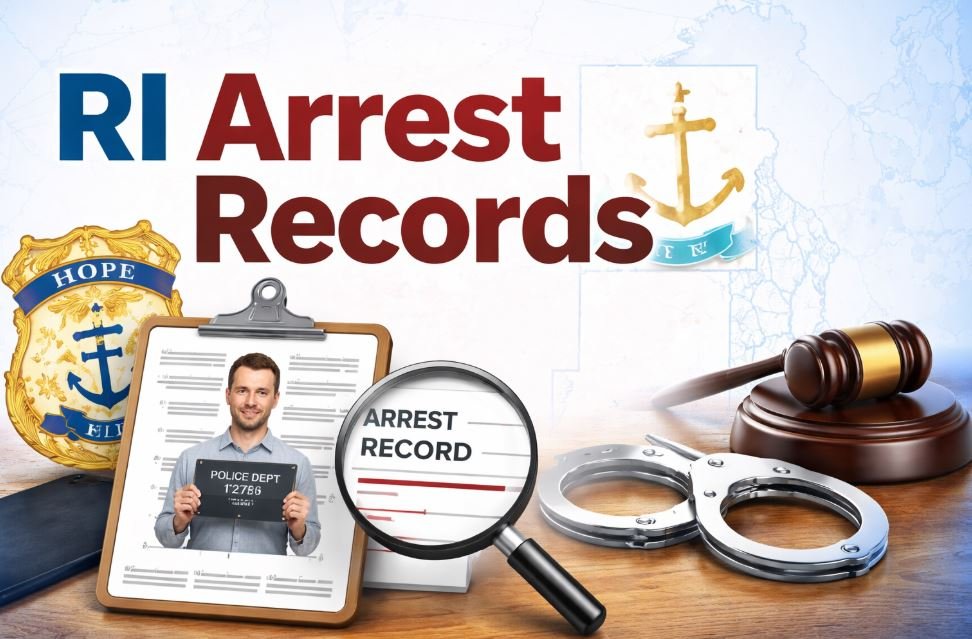
RI arrest records are official documents created when someone is taken into custody by law enforcement. These records are part of the state’s criminal justice system and include key facts about the arrest incident.
A typical arrest record may include:
- The arrestee’s full name, age, and physical description
- Date, time, and location of the arrest
- Arresting agency or officer name
- Charges filed at booking
- Mugshots or identifying information (where available)
- Booking number and arrest report details
These records do not necessarily mean the person was convicted — only that they were taken into police custody based on probable cause.
Are Arrest Records Public in Rhode Island?
Yes — arrest records in Rhode Island are generally considered public under the state’s Access to Public Records Act (APRA). This means many parts of arrest and police logs can be accessed by the public.
However, there are important limitations:
- Ongoing investigations may restrict access
- Juvenile arrest records are typically not public
- Private or sensitive information (like medical data) is protected
How to Search RI Arrest Records
Here are the main ways to search and access arrest information in Rhode Island:
1. Search Local Police Arrest Logs
Many city and town police departments in Rhode Island maintain arrest logs or blotters online. These are usually updated regularly and include basic information about recent arrests.
Example:
- The Tiverton Police Department publishes its arrest blotter with names, charges, and dates.
To find these:
- Visit the official website of the city or town police department
- Look for “Arrest Log”, “Arrest Blotter” or “Police Logs”
You can also contact the police records division by phone or in person.
2. Request Records from Police Departments
If an online log isn’t available, you can request arrest records directly:
- Go to the records or public information division of the specific police department
- Provide the person’s name, date of birth, or approximate arrest date
- Pay any required copying or processing fee (often small)
Each department may have its own procedures, so calling ahead helps.
3. Bureau of Criminal Identification (BCI) Background Check
For a more official arrest history (beyond recent logs), you can request a background check from the Rhode Island Bureau of Criminal Identification.
To do this:
- Visit the RI Attorney General’s BCI office in Cranston, RI
- Bring a valid ID and completed request form
- Pay the required fee (often around $5 for state checks)
These checks show arrest history from state databases, which is more complete than daily logs.
4. DOC RIDOC Incarceration Search (Jail & Prison)
If the arrested person is currently in custody, the Rhode Island Department of Corrections (RIDOC) online search tool will help you find them.
👉 Official RIDOC inmate search:
🔗 https://doc.ri.gov/family-visitors/incarceration-search (Incarceration Search)
This tool provides:
- Current incarceration status
- Location within the RIDOC system
- Charges and sentence information
- Basic inmate details
You can search by name or ID. The RIDOC manages all state prison inmates, not local city jails.
Police Logs vs. Arrest Records
It’s helpful to know the difference:
- Police Logs / Blotters: Daily records from police departments showing recent activity including arrests.
- Arrest Records: Official documents detailing the arrest and related facts (used for legal or official purposes).
Police logs are a good starting point, but arrest records from BCI or official agencies are more thorough.
Official Resources & Links
Here are key official Rhode Island resources you can use:
- RI Department of Corrections – Incarceration Search
https://doc.ri.gov/family-visitors/incarceration-search - Rhode Island Bureau of Criminal Identification (BCI) – Rhode Island Attorney General (call or visit for background checks)
- Local Police Departments – Many RI cities have arrest logs on their official sites (search department websites for details).
When searching online, always prioritize government (.gov) or official city websites for the most accurate and legally acceptable records.
FAQs
Are juvenile arrest records public?
No. Juvenile records are usually confidential unless specific legal conditions apply.
How long do arrest records stay on file?
Arrest records are typically kept long-term by law enforcement and archives. The exact retention period varies by agency and type of record.
Can you get mugshots online?
Some police departments post mugshots with arrest logs, but not all. The best place for official mugshots is often through a formal records request or background check.
Conclusion
Understanding RI arrest records helps you find accurate arrest information and know where to look.
Start with local police logs, move to official background checks with the Bureau of Criminal Identification, and use the RIDOC inmate search if someone is currently incarcerated. Always use official government links first to ensure the information is legitimate.